

About Lisa Fierer
Lisa is a high-impact speaker who reframes forgiveness as an act of freedom and self-respect. She challenges the belief that forgiveness is passive, revealing it instead as a courageous way to move through pain and release what holds us back.
Through keynotes and workshops, she helps individuals and organizations reclaim energy tied up in unresolved experiences and build resilience, vitality, and inner steadiness. Her talks transform complex emotional realities into practical pathways forward, blending insight, embodiment, and clear, actionable tools for meaningful change.

Where This Work Began
When I was twelve, I was called out of class and told my mother had been killed and my father arrested for the crime. In a single moment, the trajectory of my life changed. The rupture was permanent.
What followed were years marked by grief, addiction, self-destruction, community, humor, and survival, and the slow work of learning how to live with what cannot be undone.
As I searched for freedom from my own hurt and resentment, I discovered how few spaces existed to engage forgiveness honestly. Too often, the terrain was simplified or spiritually bypassed. Over time, a disciplined path emerged, one that does not excuse harm or rewrite history, but makes peace possible.
Why Forgiveness
Forgiveness became central in my life not as an ideal, but as a necessity.
Forgiveness is a human skill that can be developed over time and asks for honesty, agency, and choice. It is not about forgetting, excusing harm, or forcing reconciliation. It is about learning to move through difficult feelings and experiences without abandoning yourself or harming yourself or others.
Forgiveness, as I teach it, is an active process; a pathway to metabolize pain, reclaim authorship, and arrive at a steadiness that allows life to continue with integrity.
Thirst and the Long Walk
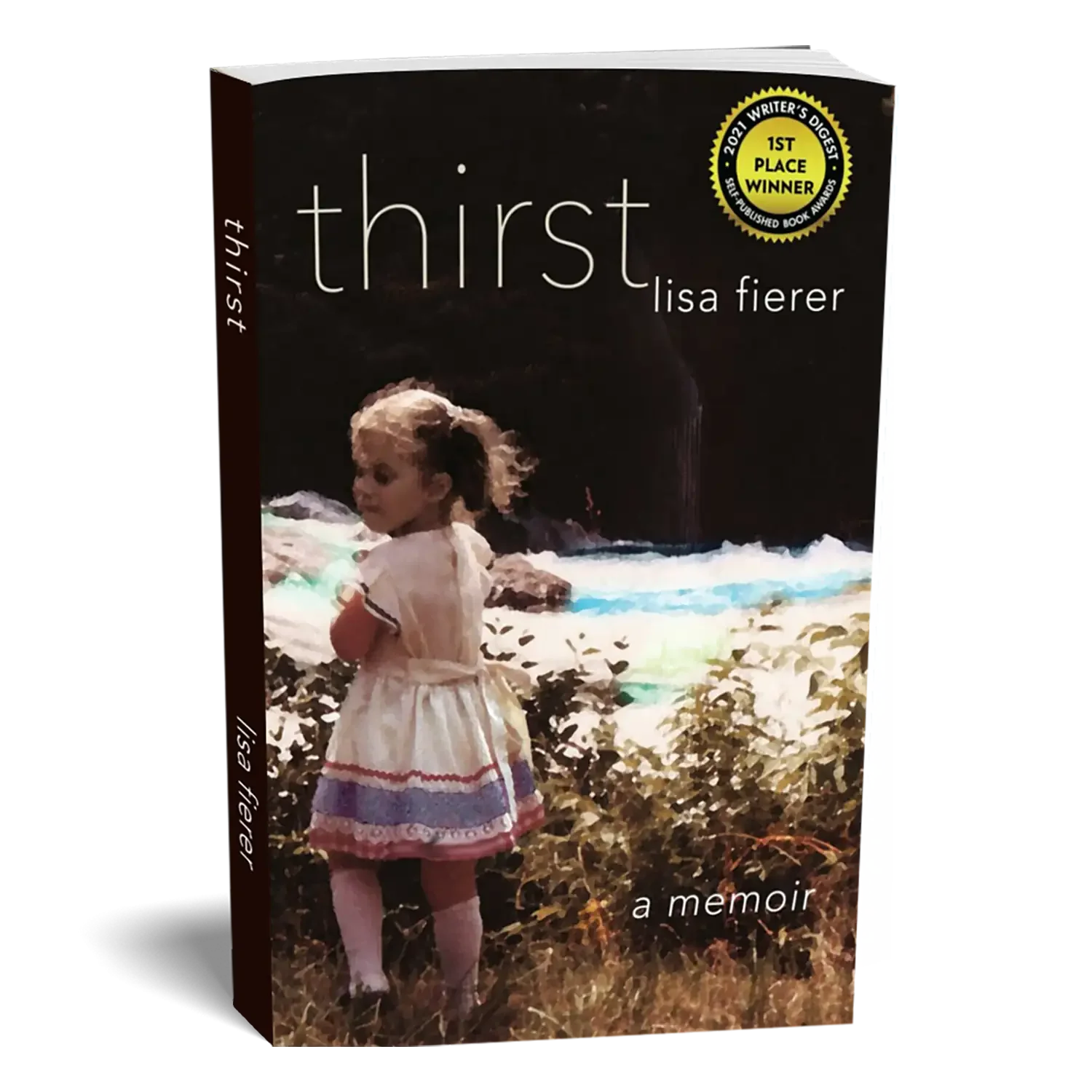
I often use the word thirst to describe this ongoing process.
Thirst names the space between the lives we are given and the lives we choose. It holds longing, confusion, and the desire to make meaning without forcing complexity into something tidy. As the title of my memoir, Thirst also reflects the stance I bring to this work and to my life: fully engaged, steadfast, and committed to those ready to loosen what constricts and reclaim their agency.
Forgiveness grows not from resolution but from relationship with experience, with the body, and with time. This is the long walk. And it belongs to all of us.
Embodiment and Practice

My education in forgiveness has been shaped not only by story but also by years of embodied practice.
Yoga has been a primary discipline through which I’ve learned to listen more carefully to the body, to language, and to the ways experience is held and expressed. Teaching, workshops, and retreats have offered living spaces where ideas are tested, challenged, and refined in real time.
Embodiment techniques are methods for staying in direct relationship with what is present, so that growth is felt, integrated, and sustainable.
Speaking, Writing, and Where I Am Now

This work was forged through lived experience and sustained practice. What began as a personal reckoning became a disciplined path, an architecture strong enough to hold complexity, encourage expression, and support real transformation.
Today, I guide individuals and communities in entering that terrain with clarity, courage, and integrity. Whether through speaking, writing, or teaching, the invitation remains the same: to loosen what constricts, tell the truth, and build a life from there.